
Planning Guides
Drywall Repair vs. Replacement in Chester County, PA: How to Know When a Patch Isn't Enough
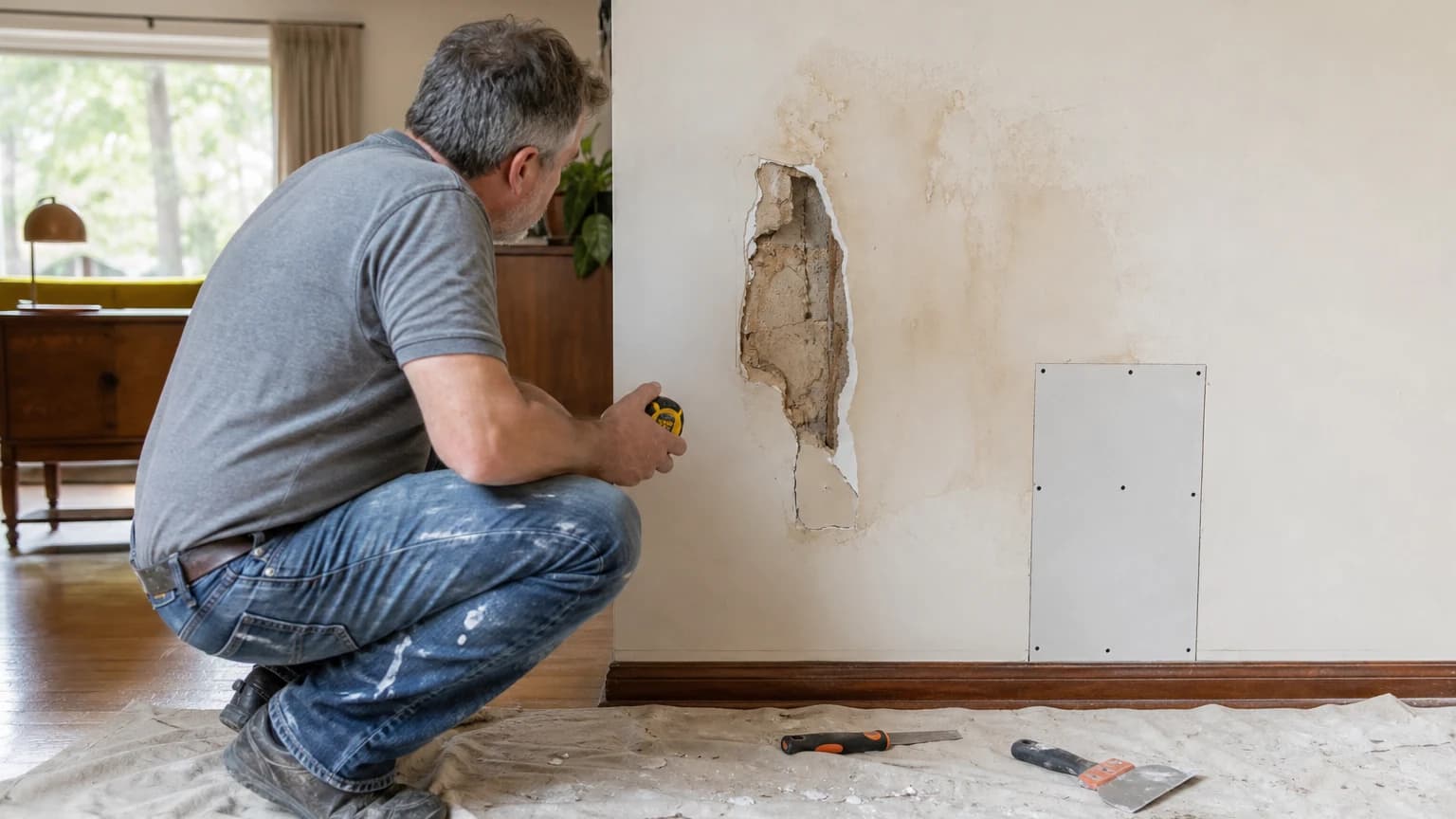
Quick answer
Choose repair for small holes, hairline cracks, or a dry stain over solid material. Choose replacement when damage covers a large section, the same spot has failed more than once, the drywall was wet long enough to risk mold, or the wall is being reconfigured. When in doubt, a written estimate after an in-person look settles it faster than guessing.
If you're staring at a damaged wall and weighing drywall repair vs. replacement in Chester County, PA, the size and cause of the damage almost always settle it before cost does. A small hole, a hairline crack, or a stain from a leak that's already been fixed is usually a straightforward patch. A wall with a large damaged area, a spot that's already been repaired once and failed again, or drywall that's been sitting wet is typically better off replaced outright — handled more like a small drywall installation than a repair. This guide walks through the questions that actually decide which one a given wall needs.
What Repair and Replacement Actually Mean
Repair means cutting out and patching a limited area — a hole, a crack, a water-stained patch — while the rest of the wall stays exactly as it was. Replacement means removing drywall back to the studs across a section, or the whole wall, and hanging new board in its place, which is essentially a small drywall installation project rather than a patch.
Neither one is automatically the better choice. A repair costs less and takes less time, but it only works when the drywall underneath is still sound and the damage is contained. Replacement costs more and takes longer, but it resets the wall completely instead of building a patch on top of material that may already be compromised.
When a Patch Is the Right Call
Most of what shows up on interior walls in Chester County homes falls into this category. A patch is usually the right call when:
- The damaged area is small — a doorknob hole, a nail pop, a dent from moving furniture.
- A crack is thin, follows a seam or a single door or window corner, and hasn't grown or reappeared.
- A water stain is dry, stable, and confirmed the leak behind it is already fixed.
- The spot has never been repaired before, or a past repair has held up without cracking again.
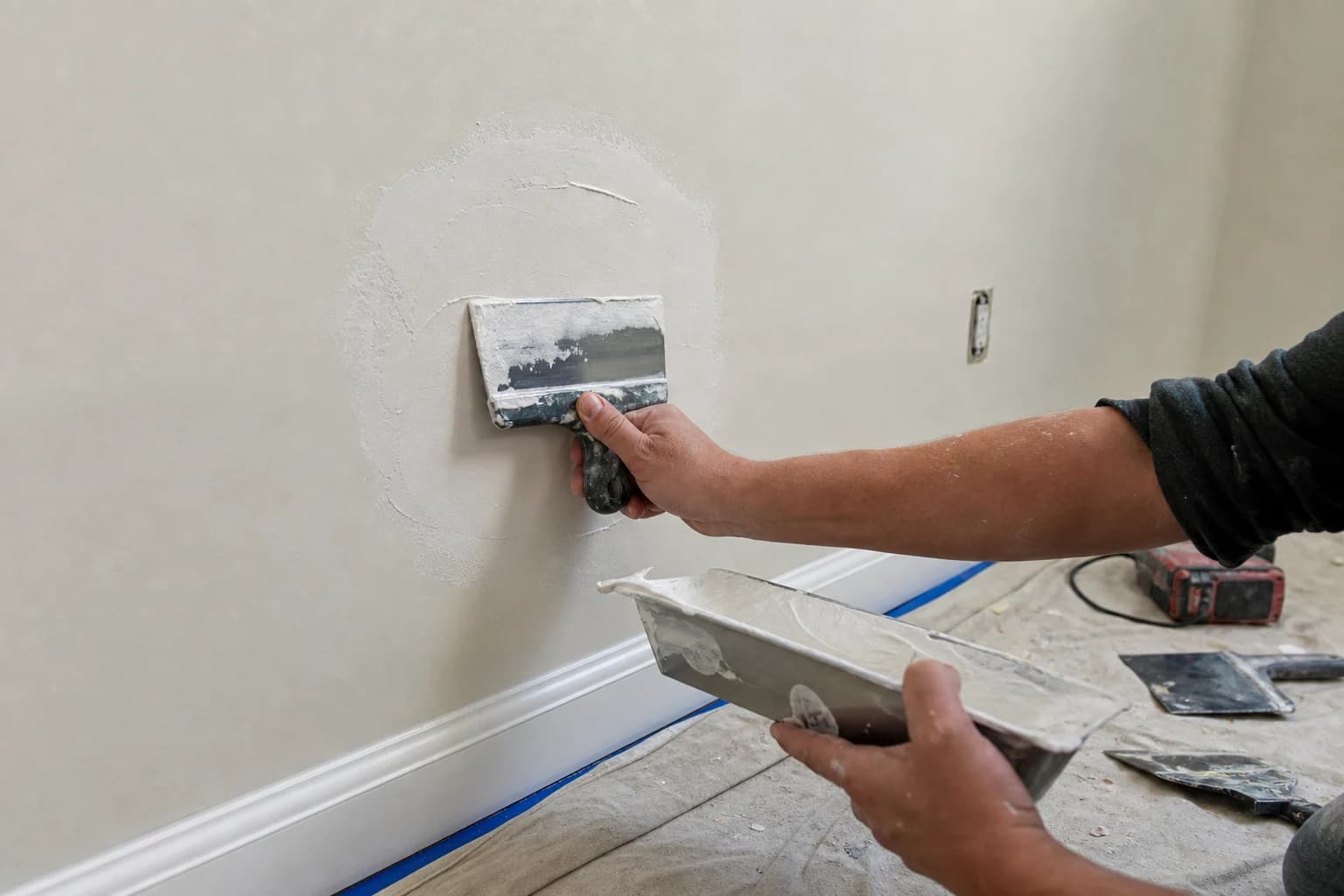
If your situation matches this list, a standard drywall repair — tape, a few coats of joint compound, sanding, and a texture and paint match — is typically all it needs.
Drywall Repair vs. Replacement in Chester County, PA: What Actually Decides It
Once damage goes beyond a small, isolated spot, a few specific questions do most of the work in deciding drywall repair vs. replacement:
- How much of the wall is affected? A rough guideline contractors use: if damage covers more than roughly a third of a single wall or stud bay, cutting in a patch that size often costs close to the same as replacing the section outright, without the risk of a visible seam later.
- Has this exact spot been repaired before? A crack or stain that keeps coming back in the same location usually means the underlying cause was never fully resolved, and patching over it again just delays the same failure.
- Was the drywall actually wet, not just stained? A dry stain sitting on solid material is different from drywall that stayed damp for days. Saturated gypsum core loses structural strength and doesn't fully recover once it dries.
- Is the damage in a highly visible spot? A slightly imperfect patch is easy to live with in a closet or utility room. In a main living space with strong side lighting, even a well-matched patch can telegraph faintly, which pushes some homeowners toward replacing the full wall for a cleaner result.
- Is the wall being reconfigured anyway? If a doorway is moving, an outlet is being added, or a layout change means opening the wall regardless, it's often more efficient to replace the affected section while it's already open rather than patch around new work.
Why Water Damage Often Tips the Decision Toward Replacement
Water damage deserves its own look because it changes the calculation faster than any other factor. The EPA advises that mold can begin growing on damp, paper-faced material within roughly 24 to 48 hours, and the paper facing on standard drywall is exactly the kind of surface it takes hold on first. A wall that got wet and dried quickly, within that window, is often fine to dry out and repair. A wall that stayed damp longer than that — a slow leak that went unnoticed, or flooding that wasn't caught right away — is a stronger case for replacement, since there's no reliable way to confirm mold hasn't started somewhere inside the wall cavity without opening it up.
This is also where insulation behind the wall matters. Wet insulation can stay damp long after the drywall in front of it looks dry, which is one more reason a wall that was actually saturated — rather than just splashed or stained — usually gets opened up rather than patched over. If you're dealing with an active or recent leak, our water-damage repair page covers what that process typically involves.
Plaster and Lath Homes Add Another Wrinkle
Many homes around Wayne, Malvern, and older sections of the Main Line have plaster over wood lath instead of drywall, and the repair-vs-replacement question looks a little different there. Plaster is harder and more brittle than drywall, and a damaged section sometimes needs to be secured or removed rather than patched, especially where it's separated from the lath behind it.
Full plaster replacement is a bigger undertaking than swapping in drywall, so many homeowners in older homes choose a plaster-specific repair that preserves the surrounding material rather than converting the whole wall to drywall. That trade-off is worth discussing with a contractor who's worked on both, since matching decades-old plaster texture takes a different approach than matching a drywall patch.
What a Full Wall Replacement Actually Involves
Once replacement is the right call, the process follows a fairly consistent sequence:
- Remove the damaged drywall back to the studs across the affected section, or the full wall if the damage or layout change calls for it.
- Inspect what's behind it — framing, insulation, wiring, and plumbing — while the wall is open, since this is the easiest point to catch a problem that caused the damage in the first place.
- Replace any wet or compromised insulation before new board goes up.
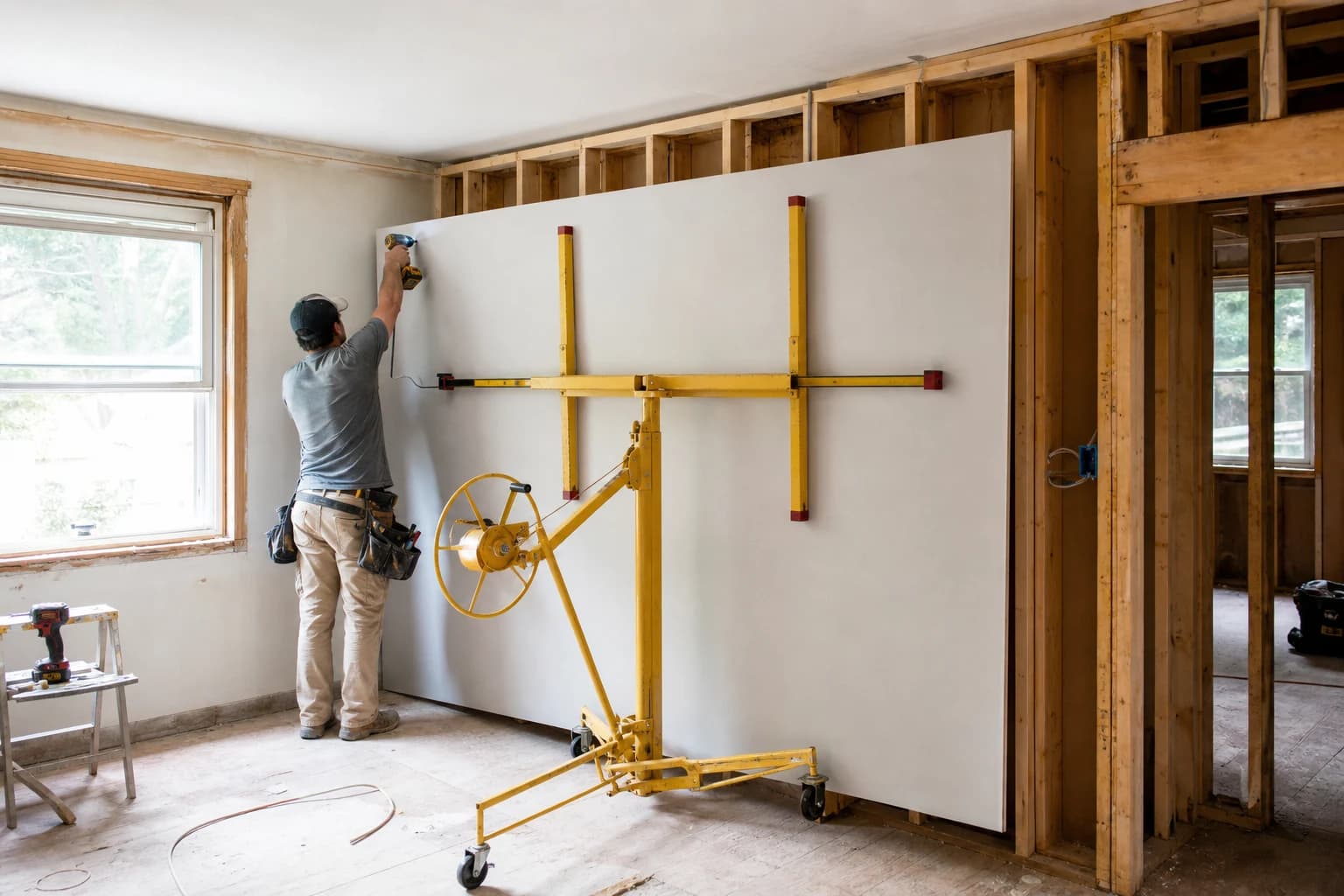
- Hang new drywall sheets, fasten them to the framing, and tape and coat the seams in two or three thin coats.
- Sand smooth, then match the surrounding room's texture — smooth, orange peel, or knockdown — so the new section blends into the rest of the wall instead of reading as an obvious repair.
What Affects the Cost of Repair vs. Replacement
Cost mostly follows the scope decided above rather than the other way around. A small, isolated patch is usually the least expensive option because it touches the least material and the least labor. A full section or wall replacement costs more since it involves demolition, disposal, framing and insulation checks, new board, and a full finish and texture match. Access also plays a role — a wall behind built-in cabinetry or in a finished, occupied room takes more care and time than an open, unfinished space. A written estimate after a site visit is the only reliable way to know which category a specific wall falls into.
DIY Judgment Call vs. When to Get a Professional Opinion
A small, dry, isolated patch is a reasonable weekend project for a homeowner comfortable with basic taping and sanding. Consider getting a professional opinion before deciding between repair and replacement when:
- You're not sure how far the damage extends behind the visible surface.
- The drywall was wet for more than a day or two, or you can't confirm how long it stayed damp.
- The same spot has already been patched once and is showing damage again.
- The wall has plaster, is load-bearing, or is part of a larger layout change.
- You want a second opinion before committing to the larger scope and cost of a full replacement.
If you're not sure which category your wall falls into, Main Line Drywall offers free written estimates for both quick patch jobs and full replacements across Chester County and the Main Line. You can also call to talk through what you're seeing at (484) 202-0548.
Frequently asked questions
- Is it always cheaper to repair drywall than to replace it?
- Usually, but not always. A small, isolated patch typically costs less than a full replacement. Once damage covers a large share of a wall or stud bay, though, cutting in a patch that size can cost close to the same as replacing the section outright, without the same long-term reliability.
- How much wall damage is too much to just patch?
- There's no single number, but a common guideline is that if damage covers more than roughly a third of a wall or stud bay, replacement often makes more sense than a large patch. Repeated damage in the same spot or hidden water exposure can tip the decision toward replacement even for a smaller area.
- Does all water-damaged drywall need to be replaced?
- No. Drywall that got wet briefly and dried out quickly, within the roughly 24-to-48-hour window the EPA cites for mold risk, is often fine to repair. Drywall that stayed damp longer, or where the insulation behind it may still be wet, is a stronger case for replacement.
- Can new drywall be blended into an old plaster wall?
- It can, but it takes extra care since drywall and plaster have different thicknesses and textures. Many homeowners in older Main Line and Chester County homes choose a plaster-specific repair instead, since it preserves the surrounding material and avoids a visible transition between the two.
- How long does a full drywall replacement take compared to a patch repair?
- A basic patch can often be finished, taped, and ready for paint within a few days once coats have time to dry. A full section or wall replacement takes longer, since it adds demolition, a framing and insulation check, and a complete finish and texture match on top of the same drying time.
Get a Clear Recommendation Before You Decide
Most damaged walls in Chester County and the Main Line have a clear answer once someone looks at the extent of the damage and what caused it. Main Line Drywall offers free written estimates and can tell you honestly whether your wall needs a repair or a full replacement before any work is scheduled.